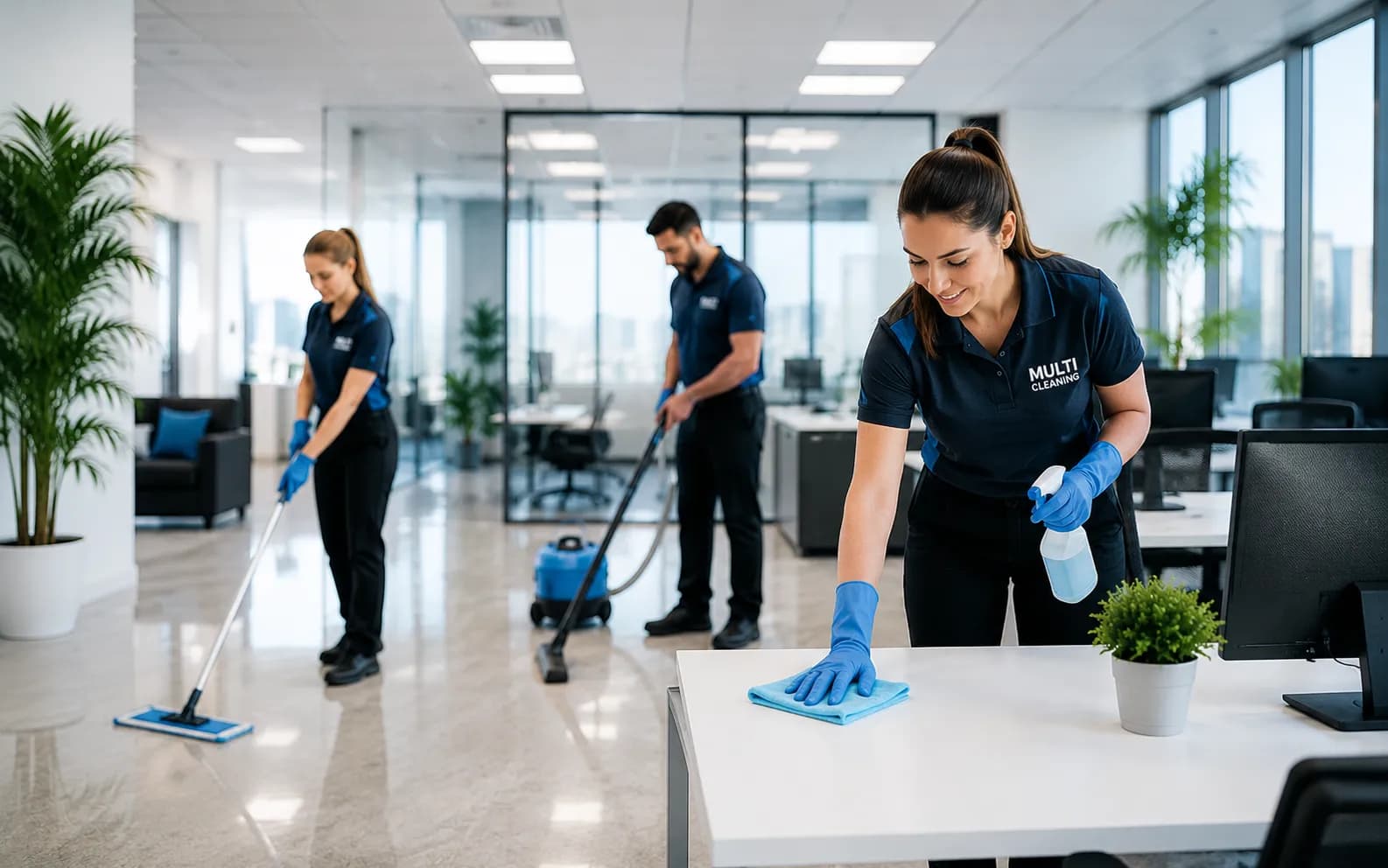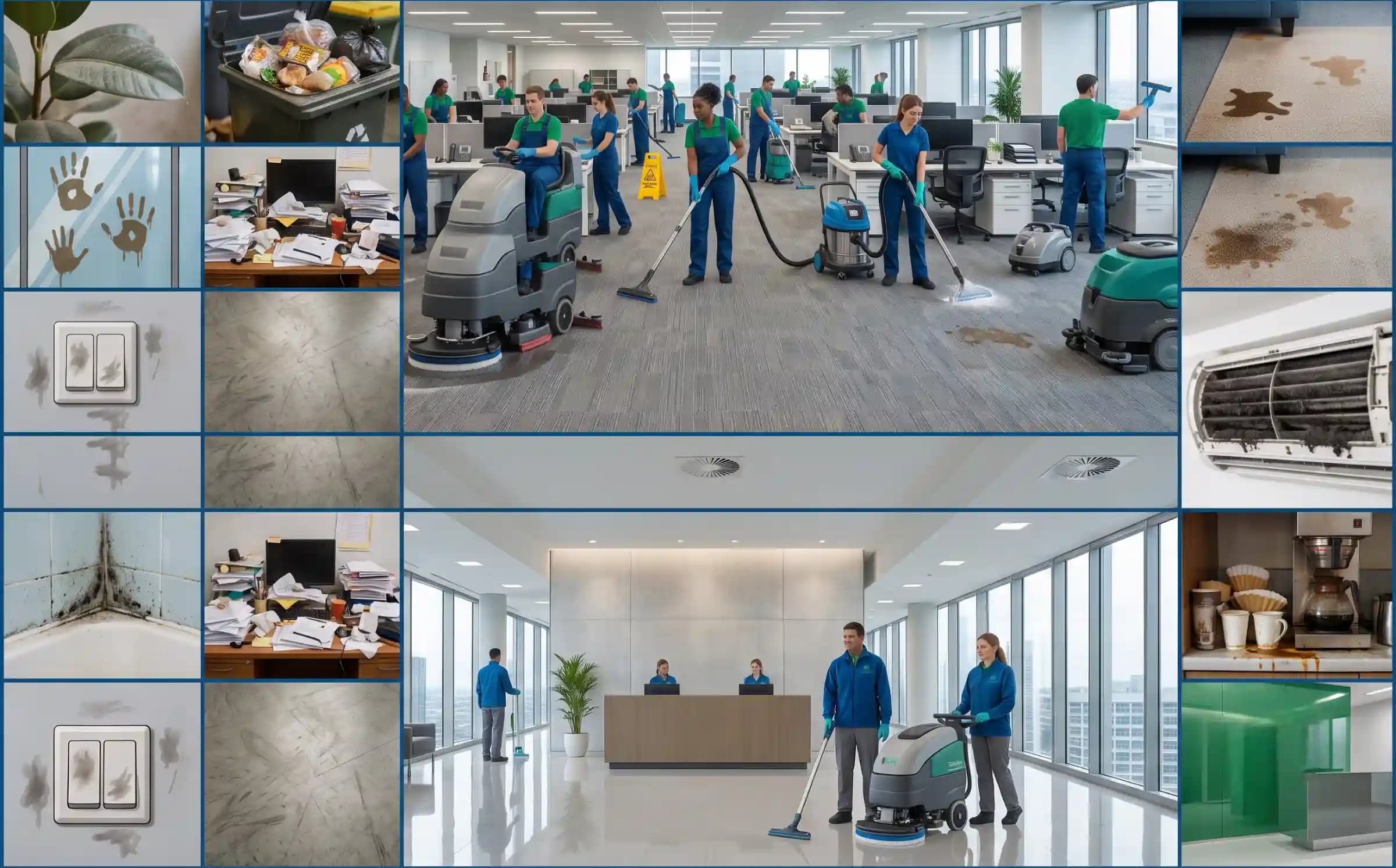
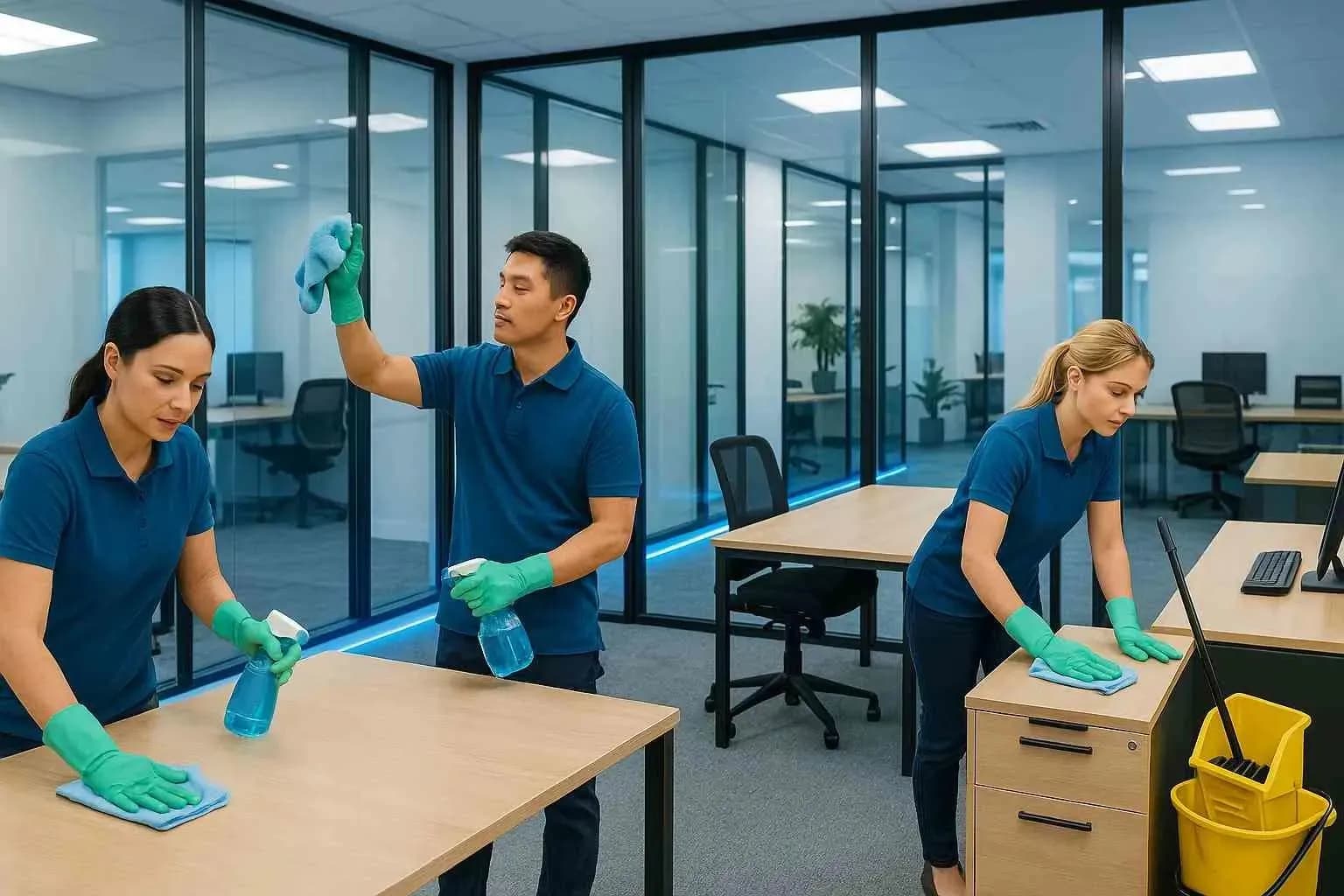
A clean workplace is essential for maintaining a healthy, safe, and professional business environment. Whether you manage an office, retail store, warehouse, medical centre, childcare facility, or strata property, having a structured commercial cleaning checklist helps ensure every area is cleaned consistently and to a high standard.
While basic cleaning can improve appearances, professional commercial cleaning goes much further by reducing germs, improving indoor air quality, protecting workplace assets, and creating a positive experience for employees and visitors.
This comprehensive commercial cleaning checklist outlines the essential daily, weekly, and monthly cleaning tasks every business should include in their maintenance routine.
Why Every Business Needs a Commercial Cleaning Checklist
Without a clear cleaning schedule, important tasks can easily be overlooked. Dust builds up, high-touch surfaces become contaminated, and shared spaces quickly lose their cleanliness.
A structured checklist helps businesses:
- Maintain consistent cleaning standards
- Improve workplace hygiene
- Reduce the spread of bacteria and viruses
- Create a healthier environment for employees
- Make a positive impression on clients and visitors
- Extend the lifespan of office furniture, carpets, and flooring
Professional commercial cleaning companies follow detailed checklists to ensure no area is missed.
Daily Commercial Cleaning Checklist
Daily cleaning focuses on the areas employees and visitors use most frequently.
Reception Areas
The reception area creates the first impression of your business. Daily tasks should include:
- Vacuum or mop floors
- Dust reception desks and furniture
- Clean entrance doors and glass
- Empty rubbish bins
- Wipe down counters and waiting areas
- Sanitise high-touch surfaces
A clean reception area reflects professionalism and attention to detail.
Office Workspaces
Keeping workstations clean promotes a healthier and more productive environment.
Daily office cleaning should include:
- Empty waste bins
- Vacuum carpets or mop hard floors
- Dust desks, shelves, and office furniture
- Sanitise keyboards, phones, and shared equipment
- Wipe meeting room tables
- Clean light switches and door handles
Regular sanitisation helps reduce the spread of germs throughout the workplace.
Kitchens and Break Rooms
Shared kitchens can quickly become breeding grounds for bacteria if not cleaned regularly.
Daily kitchen cleaning includes:
- Wipe benchtops
- Clean sinks and taps
- Empty rubbish bins
- Sanitise tables and chairs
- Clean microwaves and other shared appliances
- Mop kitchen floors
Maintaining a clean break area helps create a healthier environment for staff.
Washrooms
Washrooms require thorough cleaning every day to maintain hygiene standards.
Tasks include:
- Clean and disinfect toilets
- Sanitise sinks and taps
- Polish mirrors
- Refill soap and paper products
- Empty sanitary bins
- Mop and disinfect floors
Well-maintained washrooms improve employee satisfaction and create a positive impression for visitors.
Weekly Commercial Cleaning Checklist
Weekly cleaning focuses on deeper cleaning tasks that support long-term workplace maintenance.
These tasks may include:
- Deep vacuum carpets
- Clean glass partitions
- Dust skirting boards
- Wipe walls and doors
- Sanitise meeting rooms
- Clean office chairs
- Remove fingerprints from glass and stainless steel
- Dust vents and window sills
Regular deep cleaning prevents dirt and dust from building up over time.
Monthly Commercial Cleaning Checklist
Monthly cleaning addresses areas that are less frequently used but still require attention.
Tasks include:
- Professional carpet cleaning (as required)
- Floor polishing
- High-level dusting
- Clean light fittings
- Deep clean upholstery
- Clean inside cupboards and storage areas
- Wash interior windows
- Clean air vents and ceiling fans
These tasks help preserve the appearance and condition of your workplace.
High-Touch Surfaces That Should Never Be Missed
Some areas require more frequent sanitisation because they are touched throughout the day.
These include:
- Door handles
- Lift buttons
- Light switches
- Handrails
- Reception counters
- Shared desks
- Computer keyboards
- Telephones
- Meeting room tables
- Kitchen appliances
Regular disinfecting of these surfaces helps reduce the spread of illness in the workplace.
Industry-Specific Cleaning Requirements
Different industries require different cleaning standards.
For example:
- Medical centres require strict infection control and sanitisation.
- Childcare centres need child-safe cleaning products and frequent disinfection.
- Warehouses require dust control and floor maintenance.
- Retail stores focus on customer-facing areas and display cleanliness.
- Office buildings prioritise workstations, meeting rooms, and shared facilities.
Professional commercial cleaners tailor their services to meet the specific needs of each workplace.
Benefits of Hiring a Professional Commercial Cleaning Company
Managing cleaning internally can be time-consuming and inconsistent.
Professional commercial cleaners provide:
- Experienced and trained staff
- Commercial-grade equipment
- Eco-friendly cleaning options
- Flexible cleaning schedules
- Reliable service
- Consistent quality
- Customised cleaning plans
Outsourcing cleaning allows your team to focus on running the business while maintaining a cleaner, healthier workplace.
Keep Your Workplace Clean All Year Round
A commercial cleaning checklist is one of the simplest ways to maintain a safe, organised, and professional business environment. By following daily, weekly, and monthly cleaning schedules, businesses can improve workplace hygiene, protect their assets, and create a positive experience for employees and visitors alike.
Partnering with a professional commercial cleaning company ensures every task is completed to the highest standard, giving you peace of mind and a workplace that always looks its best.